


Project name: Assessment and monitoring of the otter population’s size and structure within Plitvice Lakes National Park
Client: Plitvice Lakes National Park, Scientific Research Centre “Dr. Ivo Pevalek”
Period: 04/2024 – 02/2026
Location: Croatia
The Eurasian otter (Lutra lutra) is a native species in Croatia, belonging to the order Carnivora and the family Mustelidae. As it is listed in Annexes II and IV of the Habitats Directive, the otter is considered a species of importance to the European Union. This status requires its protection through the designation of conservation areas and the implementation of strict conservation measures. Accordingly, Plitvice Lakes National Park (SCI HR5000020) identifies the otter as one of its primary conservation targets.
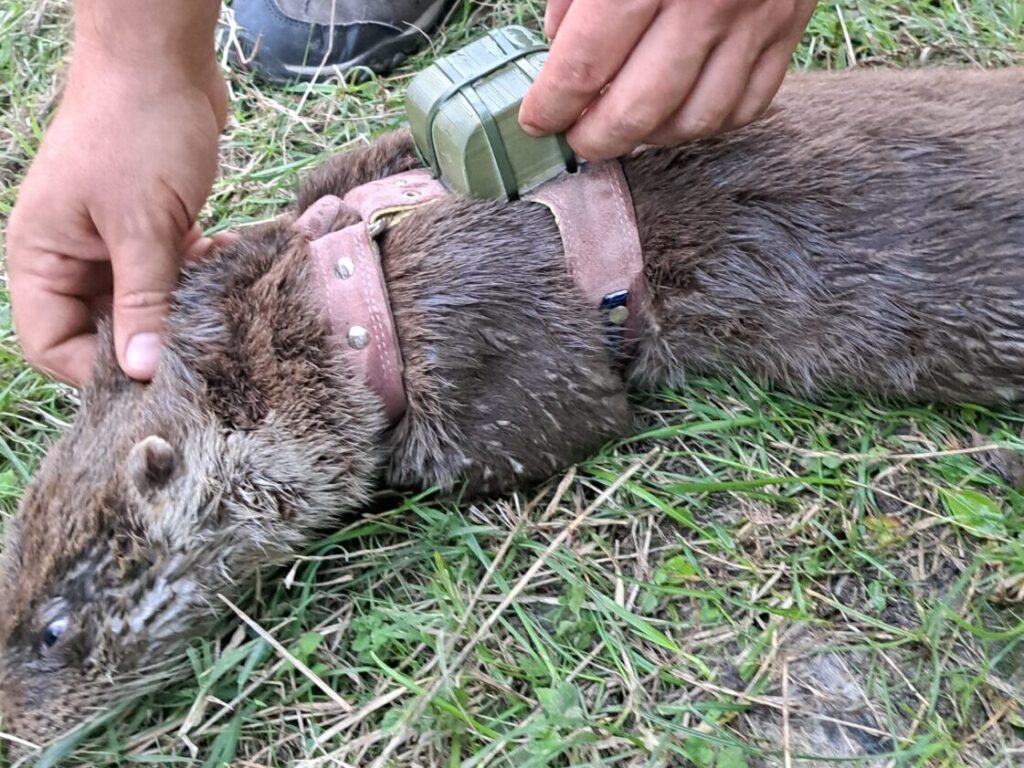
Since otter populations in our region have not been extensively studied, existing literature recommends focusing on determining their distribution and abundance, as well as monitoring their overall conservation status. Research on the genetic structure of otter populations in Croatia is also strongly encouraged. In line with the Management Plan for Plitvice Lakes National Park (2019–2028), research is currently being conducted through genetic analyses and habitat studies using telemetry.
In 2024, a contract was signed with OIKON Ltd. to conduct a year-long study focused on field surveys and the collection of faecal samples for laboratory analysis. This work resulted in a final report that includes:
- Introduction describing the purpose and objectives of the research tasks
- Review of previous otter research in Plitvice Lakes National Park
- Otter research conducted during the period 04/2024 – 07/2025
- Results of otter monitoring conducted using camera traps
- Results of the DNA analysis conducted
- Conclusions:
a. Distribution of the otter in Plitvice Lakes National Park
b. Estimated otter population size in Plitvice Lakes National Park - Recommendations for further research implementation
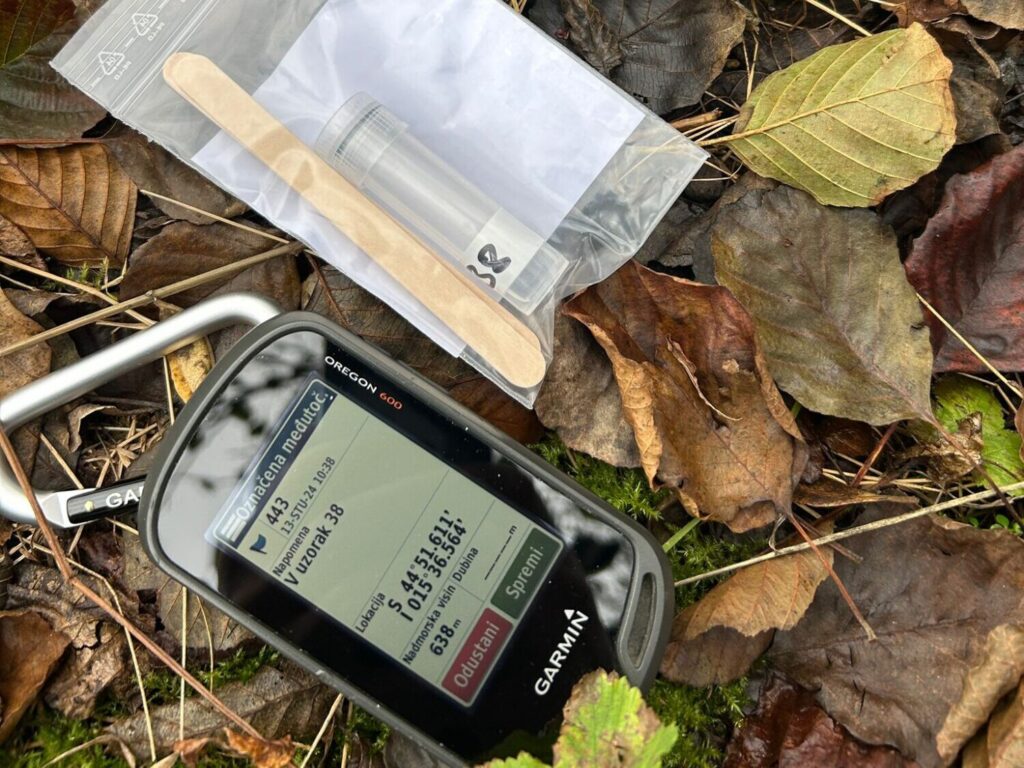
During the fieldwork, the research team surveyed the terrain and recorded various signs of otter presence. Camera traps were strategically installed in areas where otter activity was expected; these cameras recorded footage throughout the study period, which was subsequently collected and analysed. To estimate the minimum population size within the Park, 151 otter faecal samples were collected for DNA analysis. All collected data were processed using statistical and GIS tools.
Implementation of this Project contributes to the following Sustainable Development Goals:
